How to Become a Fashion Photographer: Beginner’s Guide (Part 2)
From Passion to Profession: Launching Your Fashion Photography Career
You’ve laid the groundwork, now it’s time to take the next step.
After reading Part 1 of our Beginner's Guide, you already know it’s not all glitz and glamor. The fashion industry is competitive, creative, and constantly evolving. And it takes consistent effort to turn your passion into a sustainable career.
In this second part of How to Become a Fashion Photographer, we’ll focus on what comes next: how to find your niche, get your work seen, and book your first paid shoots.
Table Of ContenTs
THIS ARTICLE IN A NUTSHELL
Understand how and why to find your niche, get your portfolio seen online, and land your first paid fashion photography shoots. A career in fashion photography is a marathon, not a sprint. Learn how to assist, pitch effectively, price your work, and use contracts to succeed.
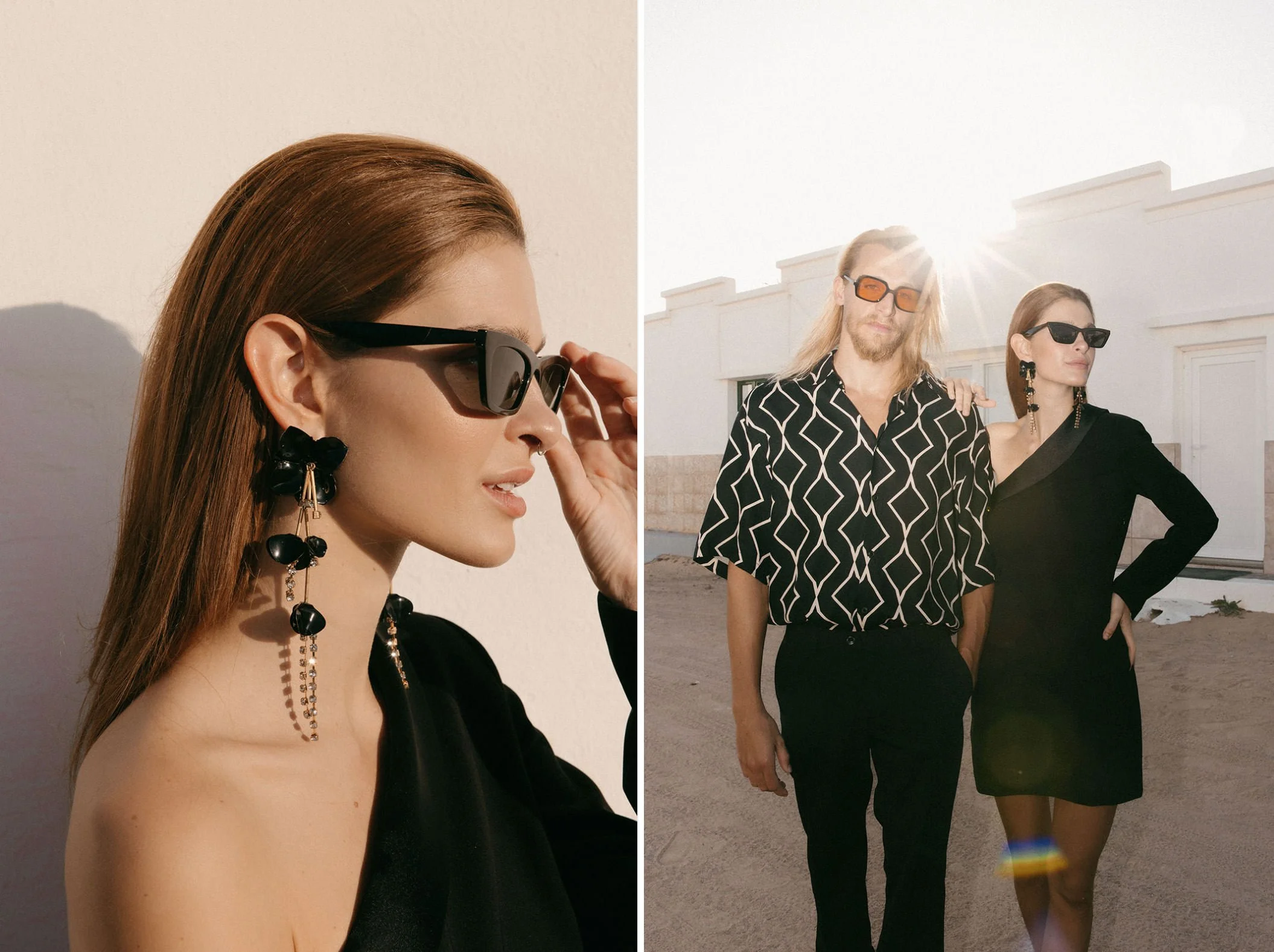
Photos by Monika Frias
Nailing Your Niche in Fashion Photography
In the vast and competitive world of fashion photography, you want to avoid being a generalist in a specialized field. To grow, you need to be known for something, and that means finding a clear focus.
Choosing a niche isn’t limiting. It helps you develop a recognisable style, attract the right clients, and simplify your marketing. Think of it like a designer choosing between couture or streetwear: both are fashion, but the work, audience, and creative direction are completely different.
Consider what truly excites you in the world of fashion and lean into it. What parts excites you most? What do you naturally gravitate toward when shooting or planning a concept? Research trends, spot gaps in the market, and lean into the kind of work you want more of.
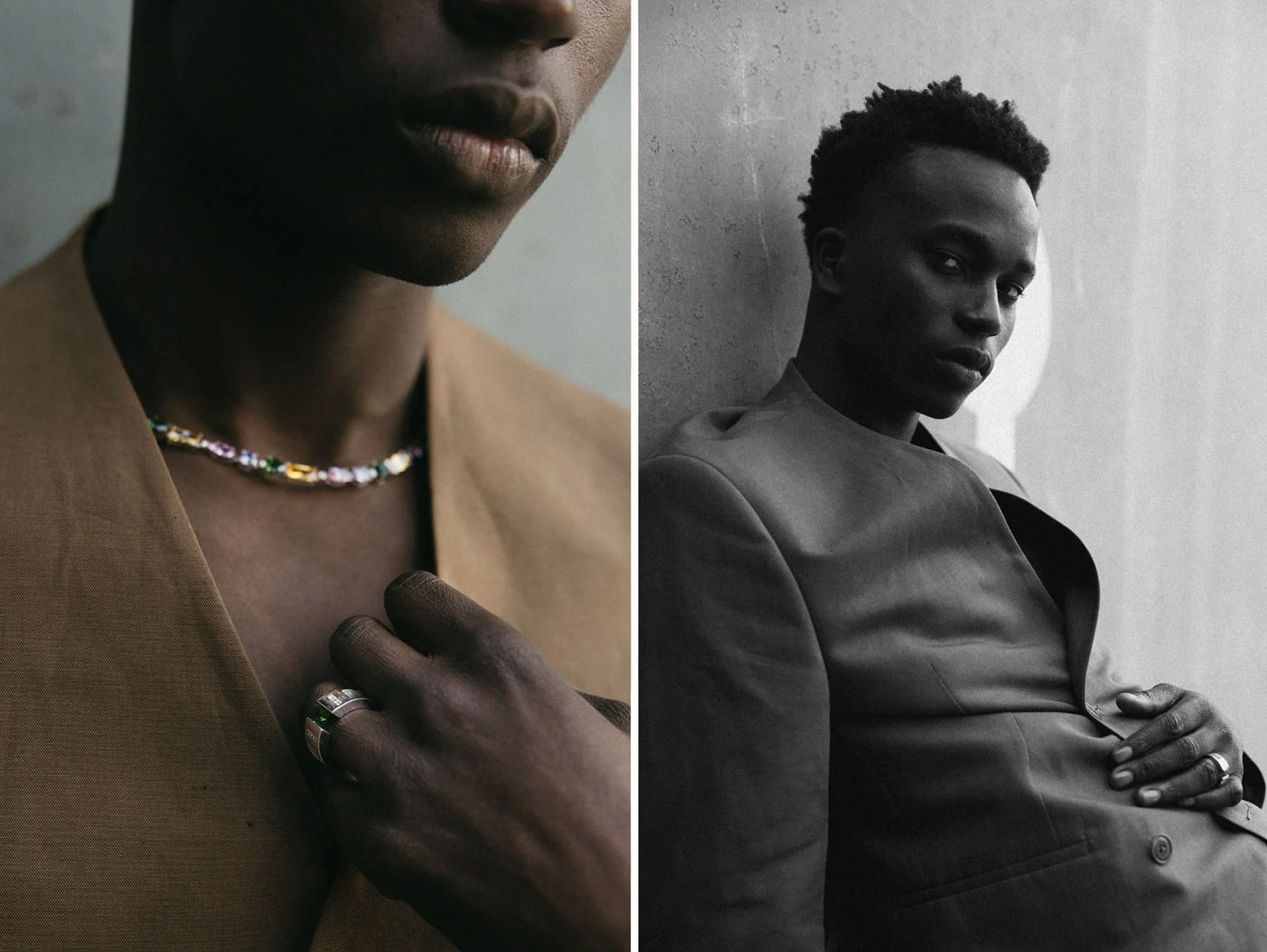
Photos by Monika Frias
Here are a few common directions in fashion photography to explore:
HIGH-END EDITORIAL: Crafting cinematic stories for magazines and luxury brands
COMMERCIAL / ADVERTISING: Producing polished campaign imagery and lookbooks
E-COMMERCE / PRODUCT: Creating clean, consistent, practical visuals for online stores
STREET STYLE: Capturing candid, authentic fashion moments
SPECIFIC GARMENT TYPES: Focusing exclusively on swimwear, bridal, activewear, or size-inclusive styles
CONCEPTUAL / FINE ART FASHION: Pushing creative boundaries with artistic interpretations and haute couture
Whatever niche you choose, test it out. Create personal projects or styled shoots around that specific area and get feedback from trusted peers or mentors.
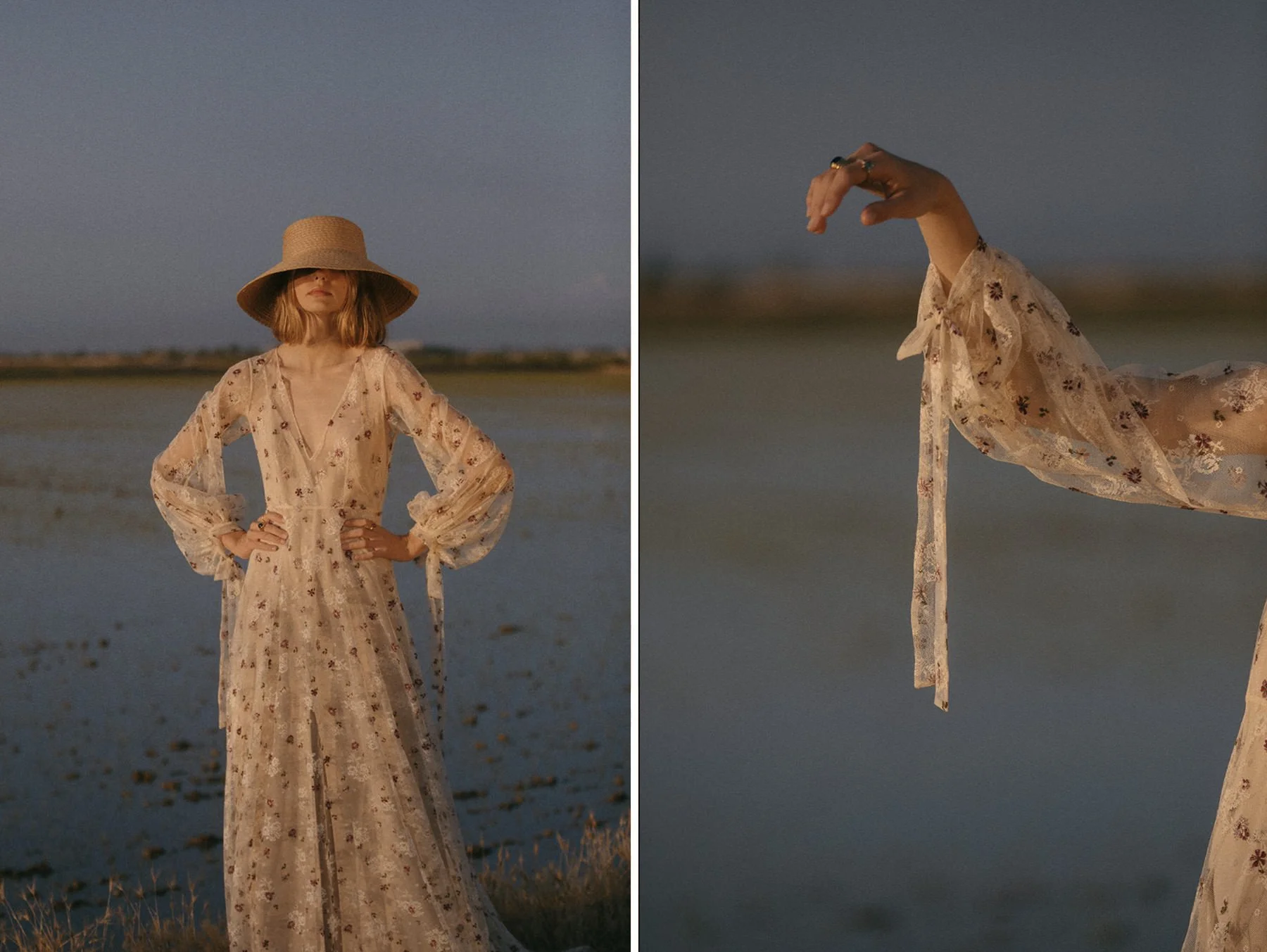
Photos by Monika Frias

Getting Your Fashion Work Seen
You've honed your skills, defined your niche, and put together a portfolio with a distinct point of view - now it’s important to ensure your work gets the reach and attention it deserves.
Being a brilliant photographer, sadly, isn't enough! Especially in today’s digital world and proliferation of imagery. You also need to be a savvy marketer.
OPTIMIZING YOUR ONLINE PRESENCE - It works for you 24/7. Treat it like your storefront: clean, focused, and easy to navigate.
PROFESSIONAL WEBSITE / PORTFOLIO - Your central online hub to drive traffic to. It has to be fast, mobile-responsive, and prominently showcase your best work. Curate carefully. Less is more. You want people to see your best, not your backlog.
SEO FOR PHOTOGRAPHERS - Help clients and brands find you. Use relevant keywords on your site like "fashion photographer [location]", "editorial fashion photography", etc. Be sure to include the town or city where you’re based.
SOCIAL MEDIA STRATEGY - Tailor your approach to each platform's unique audience and 'norms.' Consistently create content and post a mix of high-quality visualswith more authentic ‘raw’ photos on Instagram, network professionally on LinkedIn, use Pinterest for visual discovery, and leverage TikTok/Reels/Shorts for behind-the-scenes content. Pick 2–3 platforms to focus on consistently, don’t try to do it all at once.
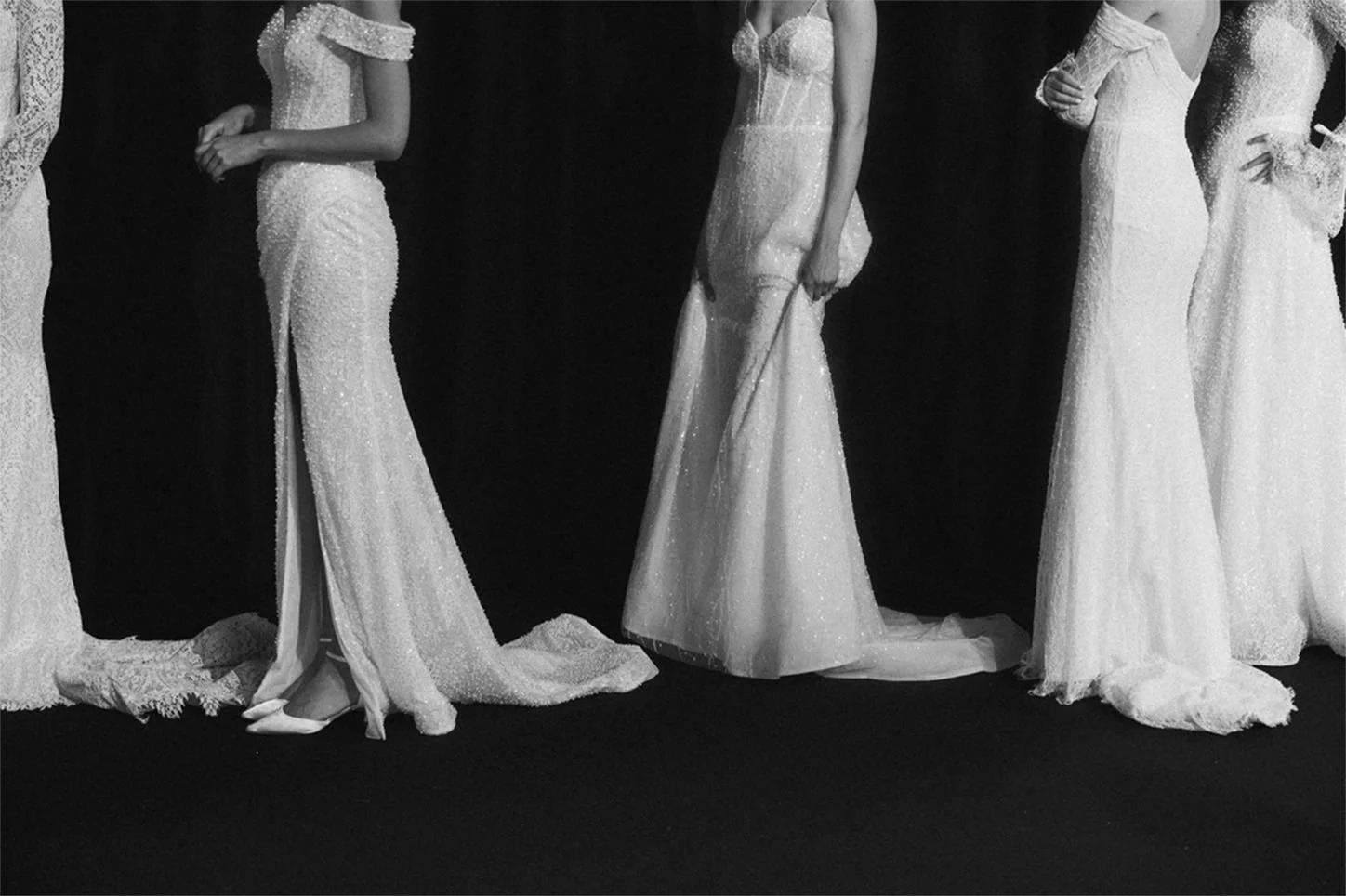
Photos by Monika Frias
Amplify Your Reach Beyond the Basics
A strong online presence is just the beginning. Getting seen also means getting involved.
Share Your Process - Share behind-the-scenes glimpses, short Reels or posts, and write blogs about your creative process and concepts you’re working on to build a connection. Bring people into your world and get them invested in your personal and professional journey.
Collaborations with Purpose - Set up styled shoots or Trade For Photos (TFP) sessions with up-and-coming stylists, models, or designers. It keeps your portfolio fresh and opens up new exposure.
Submit Your Work - Apply to contests, blogs, directories, and publications - especially ones aligned with your niche. Even smaller features contribute to building visibility and credibility.
Stay Active & Network - Follow up with industry contacts, offering value where you can. Touch base and build on existing relationships with colleagues and connections. Attend relevant events, whether it’s fashion weeks, brand launches, workshops, or exhibitions. Relationships lead to opportunities. Show up for them.
Photos by Monika Frias

The Realities of Becoming a Fashion Photographer: What to Expect
In Part 1, we looked at what a fashion photographer actually does, and it’s important to consider the pros and cons of the job, and being part of the industry generally, too.
What Makes it Worth It
You get to create work that reflects your vision and collaborate with other talented creatives
You might travel, work with brands you admire, and see your photos in magazines or campaigns
You’ll contribute to how brands tell their story, visually and emotionally
Over time, your name becomes part of your brand, and people come to you for your style
You’ll develop thick skin, learn to handle rejection, and push through challenges
You’ll also build business skills like quoting, pitching, and client communication
Photos by Monika Frias
What Makes it Hard
Shoot days are long and demanding. Early mornings, late nights, and weekend work are normal
Weather, lighting, and location changes often mean reschedules or last-minute calls
Money can be tight, especially in the beginning. Freelancers need to plan and manage cash flow
You’ll spend as much time marketing yourself as you do shooting. Rejection is part of the process
It’s physical work. You’re on your feet, carrying gear, shooting in heat, cold, or tight spaces
Creative blocks and client feedback can slow you down, but you’ll learn how to adapt
The truth is working as a fashion photographer is not easy! But if you stick with it, it’s one of the most creatively fulfilling paths in photography.
Photos by Monika Frias
From Test Shoots to Paid Work - Landing Your First Gig
You've built your skills, defined your niche, and started getting your work seen. Now how do you go about turning your passion and all the unpaid work you’ve done into a profitable career? Securing your first paid gigs and building a long-term, sustainable business requires strategic action and sharp business acumen.
Transitioning to Paid Opportunities
STEP 1 - Assist & Learn
One of the most invaluable ways to break into the fashion industry is by assisting established fashion photographers. Don't be afraid to ask for opportunities and persist in getting your foot in the proverbial door. You'll gain hands-on experience, learn industry best practices, and make important connections that can lead to paid assistant roles or direct referrals.
““Try to ask expert photographers for an opportunity to help. It’ll be hard, but if you persist, someone will eventually say yes.””
STEP 2 - Pitch with Purpose
Skip the cold mass emails. Reach out to brands or designers whose style matches yours. Research them and craft personalized, concise pitches that clearly showcase how your unique vision and skills can benefit their specific needs. Be clear about how your photography can help them, whether that’s elevating their visual content or refreshing their campaign style. Lead with value, not with “hire me.”
Photos by Monika Frias

Pricing Your Work The Right Way
Know Your Value - Research industry rates for your experience level and chosen niche.
Understand Common Industry Pricing Models - Full or half day rates, per-image charges, or project-based pricing.
Factor in All Your Real Costs - Gear, editing time, travel, software, insurance, and your time.
Quote Strategically - Never undervalue your work, even when starting out. Consider quoting slightly higher than your ideal rate. It gives you room to negotiate without underselling your work.
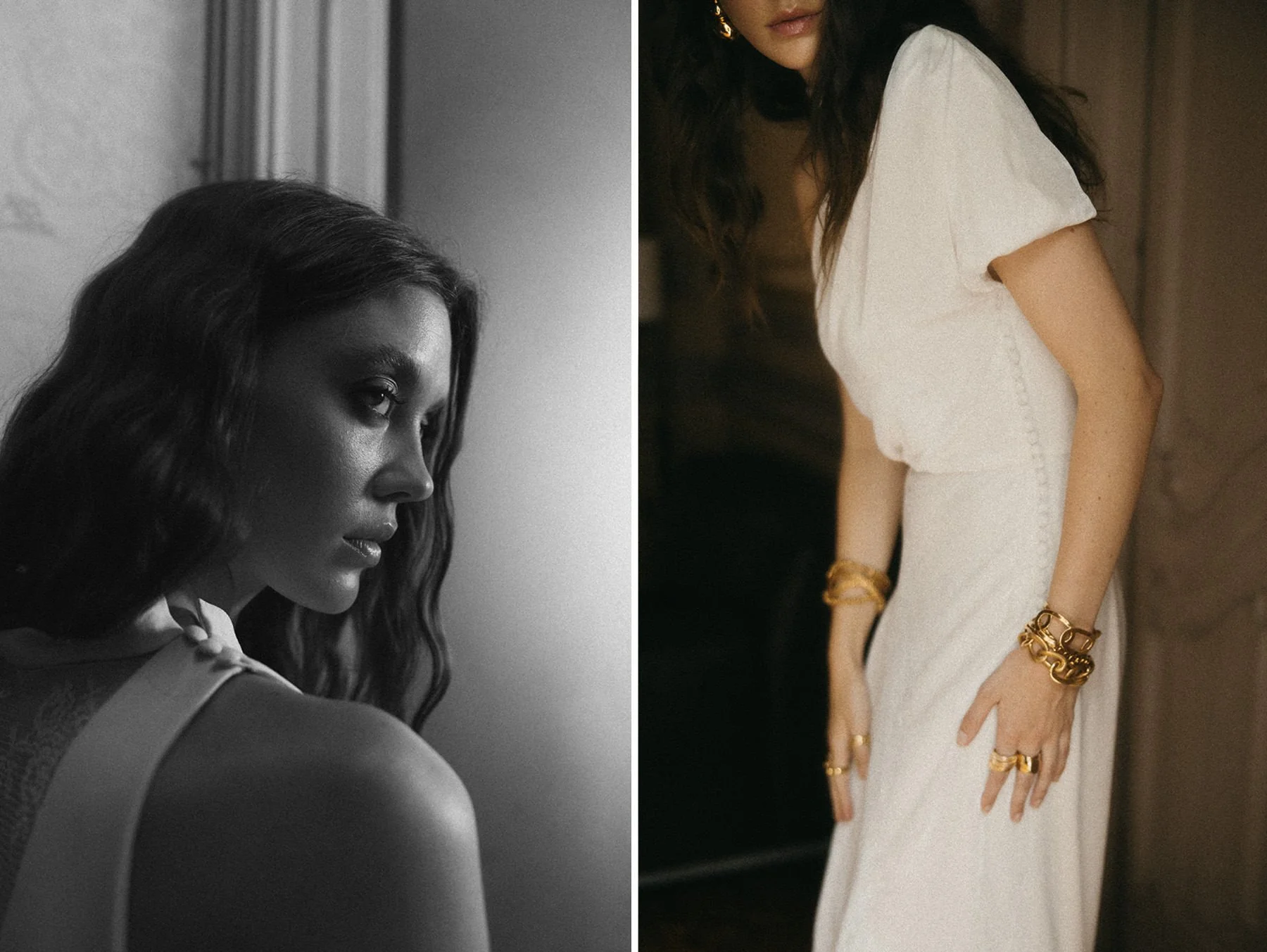
Photo by Monika Frias
Master Client Management & Contracts
Communicate Clearly and Early: Before any shoot, confirm deliverables, timeline, and expectations in writing. If something’s unclear, ask upfront.
Always Use a Contract: It protects both you and your client. At a minimum, include:
Scope of work
Usage rights
Payment terms
Rescheduling and cancellation policies
Deliver on Time: Always stay professional and follow through. That’s how one job turns into repeat work and referrals.
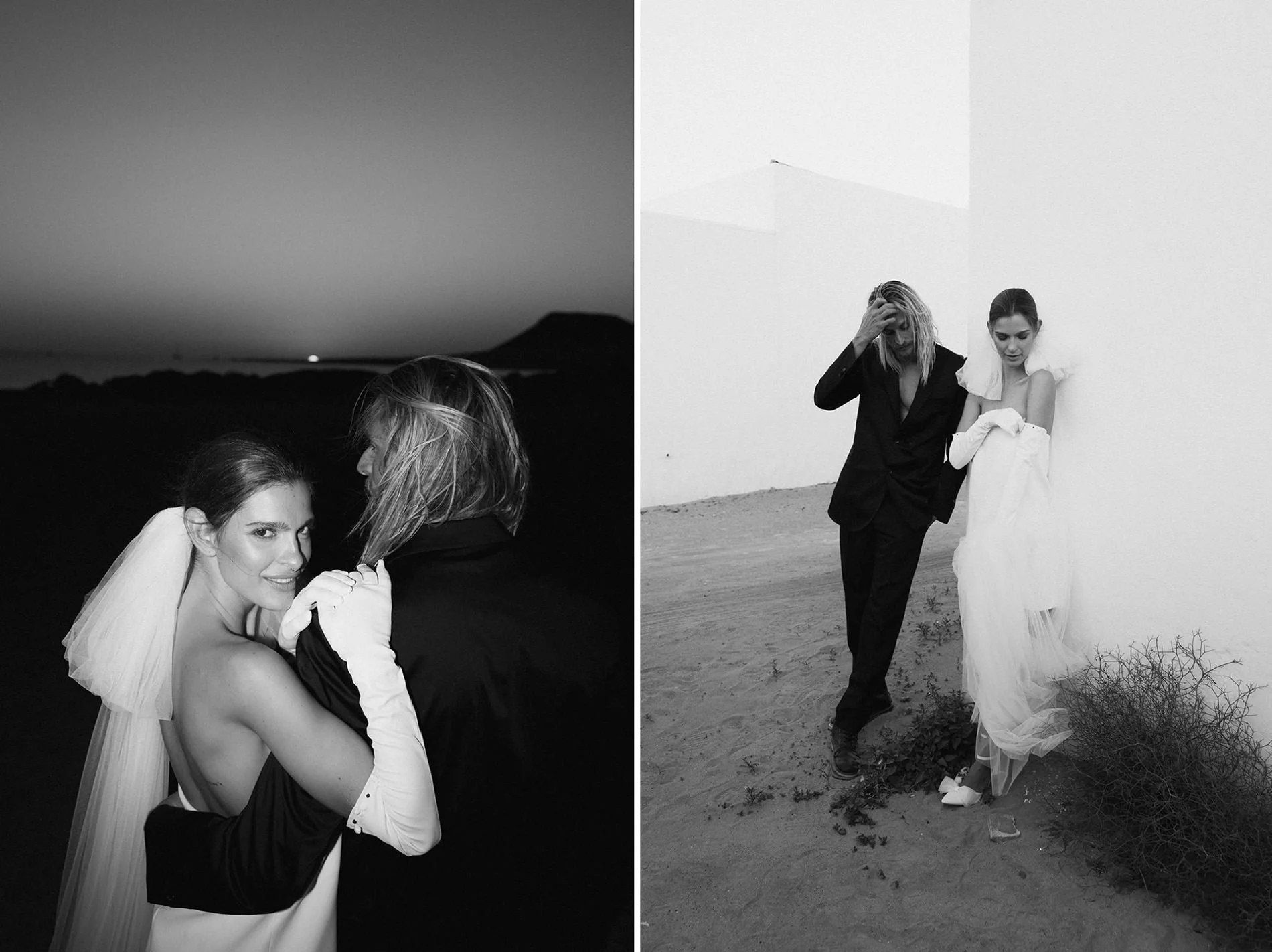
Photos by Monika Frias
Grow Beyond the First Gig
The first job is just the beginning. What you do after delivery matters just as much as the shoot itself.
Go Beyond What’s Expected: Go the extra mile on every project. What else can you do to add value and impress? Delighted clients become repeat clients, and your best source of referrals
Follow Up: After every photo delivery, follow up with your point of contact. Ask if there’s anything you could have done to improve the result or their experience. This invaluable feedback helps you refine your process and cultivate strong relationships with clients.
Ask For Testimonials: Actively ask for testimonials and reviews from happy clients. These powerful, real-world endorsements are gold for your portfolio, website, SEO, and for building trust with future prospects
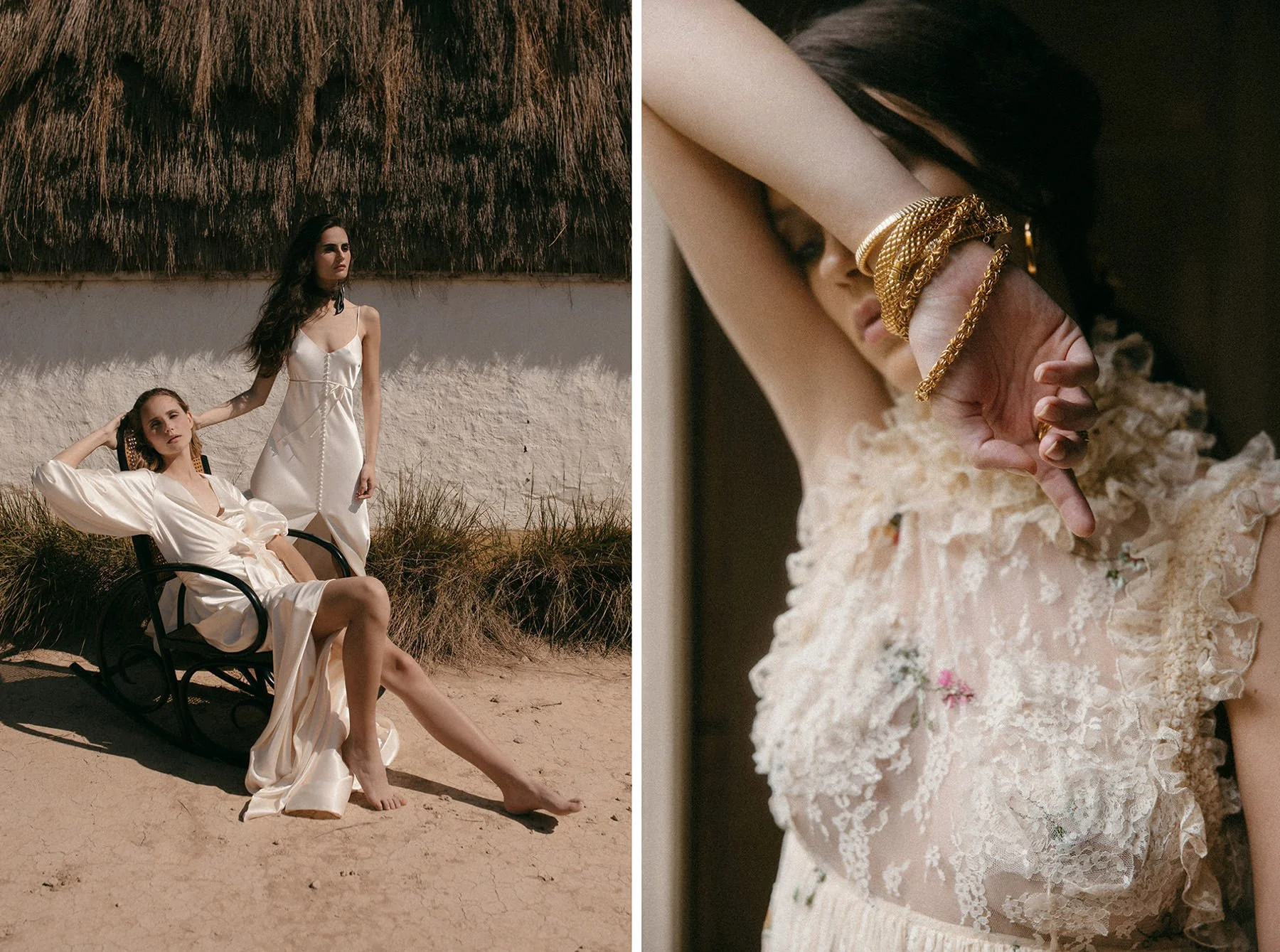
Photo by Monika Frias
Runway Ahead: Forge Your Path Forward in Fashion
Congratulations! You've successfully completed our two-part guide on How to Become a Fashion Photographer. Now you have a realistic understanding of what to expect from this exciting career, how to get started, and concrete strategies to progress in the industry.
Remember, success in fashion photography is more of a marathon than a sprint. It demands time and persistence, as do all the most rewarding careers. But for those who persevere, the creative fulfillment and professional rewards are truly fantastic.
We wish you the very best on your journey to becoming a thriving fashion photographer. Keep creating, keep learning, and as they say in fashion, you can never be overdressed...or overeducated!
Feel free to come back to this guide (starting with Part 1) whenever you need a refresh or get stuck.
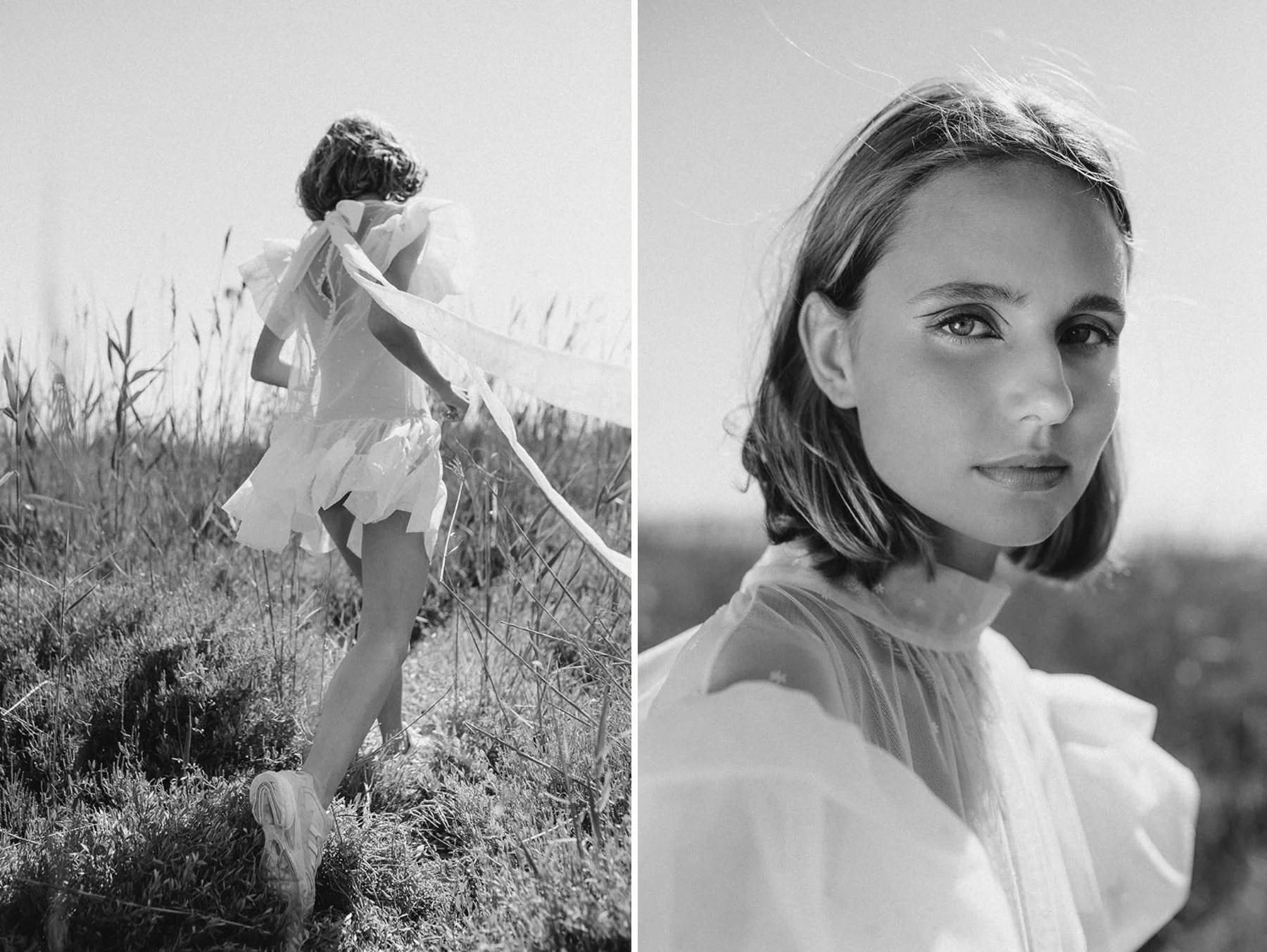
Photos by Monika Frias
Key Takeaways on Becoming a Fashion Photographer
Pick a niche and let it shape your style and your portfolio
Curate your website and socials to reflect the work you want
Visibility matters. Show up online, collaborate often, and connect
Assisting is one of the fastest ways to learn and get referrals
Use contracts. Charge fairly. Keep communication clear and professional
Turn one client into five by following up, asking for feedback, and being easy to work with
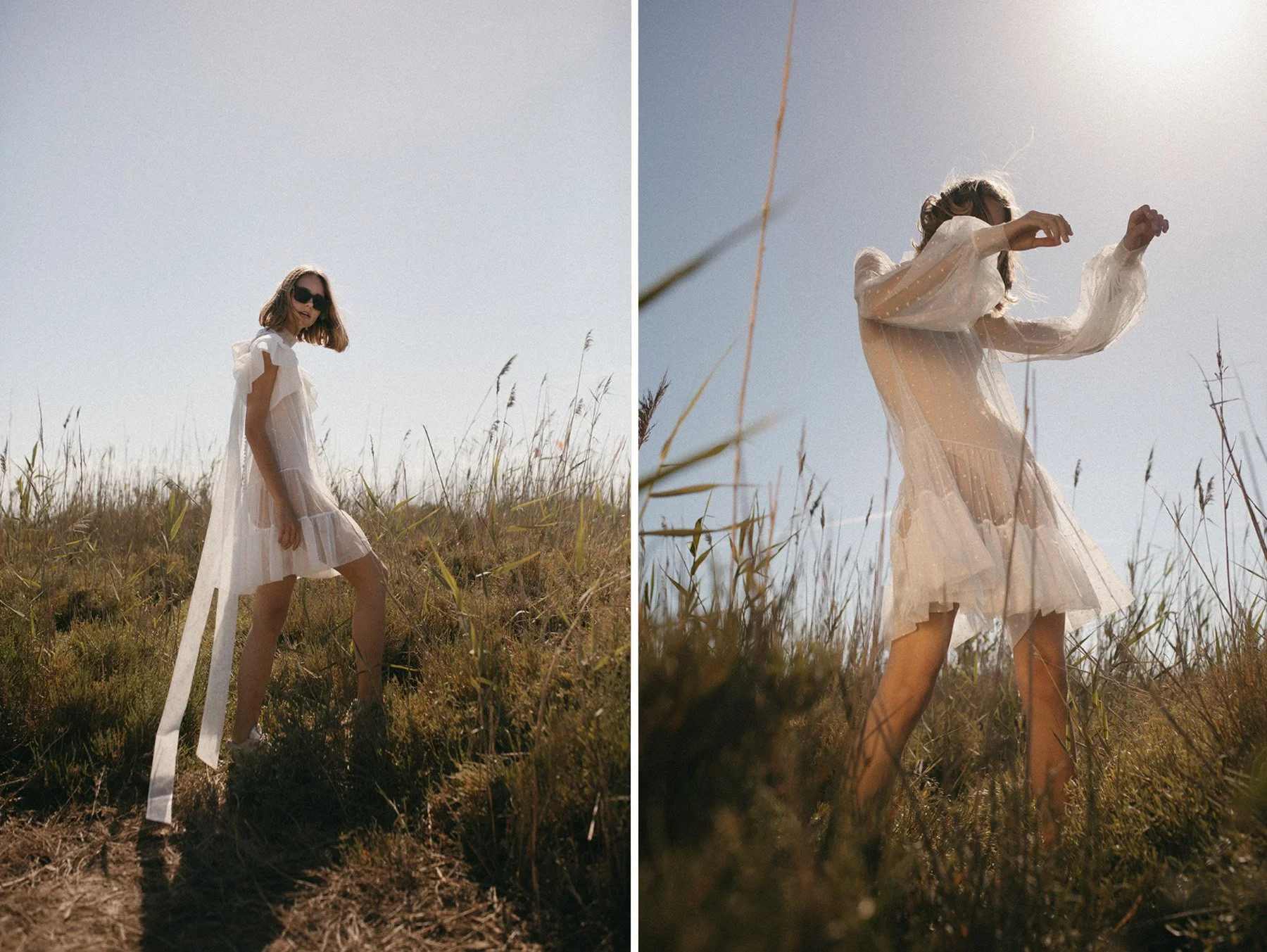
Photos by Monika Frias
FAQS on Becoming a Fashion Photographer
-
No. You don’t need a degree. Most fashion photographers learn by doing, through real-world shoots, building a portfolio, and networking.
-
Start by researching local rates for photographers in your niche. Consider whether you’ll charge per image, per hour, per day or half-day, or by project. Make sure you factor in editing time, gear, travel, and usage rights.
-
Use Instagram, Facebook groups, or local creative networks. Look for stylists, makeup artists, and models who are also looking to build their portfolios and reach out with a clear idea and mood board.
-
Right away, even for small gigs. A simple contract protects everyone. It should cover what’s being delivered, when, how it can (and can’t) be used, and what happens if things change.
-
Assist someone already doing the work. Assisting teaches you how shoots run, builds your connections, and often leads to your first referrals or paid roles.

Written by Katrina Ferguson. Katrina is a qualified journalist and professional photographer with some 20 years of experience. She founded Photogeek and writes with the content team at Pic-Time, combining hands-on insight and storytelling expertise to help photographers grow their business.
ABOUT PIC-TIME
Pic-Time is the photography industry’s leading online gallery software designed to empower photographers to: present stunning client galleries, boost sales and market with efficiency. With an intuitive suite of purpose-built tools, Pic-Time helps elevate your photography to a successful business.
Try it free - no credit card required - for 30 days.

YOU MIGHT ALSO LIKE: