A Guide to Getting Your Wedding Photography Published
The Whys & Hows of Intentional Placement
For many photographers, publication is one of those things that feels important, but optional.
Nice to have. Hard to prioritize. Easy to put off.
And yet, when it’s done intentionally, publication can shape how your work is perceived, shared, and remembered.
Being published isn’t about collecting features or chasing approval. It’s about placing your work in environments that carry trust - trusted by planners, vendors, and by future clients who are deciding who feels established, thoughtful, and aligned with their vision.
Publication also introduces your work to new audiences that can fully appreciate your work. Over time, it builds a layer of professional credibility that compounds when you’re not actively promoting yourself.
And yet, the submission process often feels unnecessarily confusing.
Search online and you’ll find endless threads, outdated advice, and conflicting opinions. Submit everywhere. Submit once. Send 100 images. Send 20. Email editors directly. Never email editors directly. It’s no wonder photographers feel stuck before they even begin.
This guide is meant to simplify things. It’s built around how editors actually think, what they need to do their jobs well, and how photographers can approach submissions with clarity instead of stress.
@oliviaraejameswed
THIS ARTICLE IN A NUTsHELL
Find out how to master the art of wedding photography submissions by strategically placing your work in top-tier publications to build professional credibility and reach new clients. Learn how to think like an editor, curate compelling visual stories, and navigate exclusivity guidelines to transform your portfolio into a powerful marketing engine.
1. Know the Publishing Landscape (& Where to Start)
Before submitting anything, it helps to understand what “publication” really means today.
Not all blogs or magazines serve the same purpose. Some are top-tier publications with broad reach and strong industry authority. Others are niche blogs focused on specific aesthetics, regions, or cultural perspectives.
There are also print and digital magazines, as well as industry outlets designed more for peer recognition than client discovery.
Each has a different audience, but their editorial expectations are more or less similar.
First and foremost, editors are looking for stunning images with compelling stories to tell that speak to their audience. They are looking for stories that make sense for their platform. Try shifting your mindset from getting featured to placing a story. Rather than trying to be impressive, you are offering something valuable that fits a specific editorial space.
Once you start thinking this way, choosing where to submit becomes far more intentional, and chances of success increase.
@alyhansenweddings
2. Match Your Work to the Right Publications
One of the most common mistakes photographers make is submitting the same wedding to every blog on their list.
Aesthetic and editorial fit matter more than reach.
Every publication has a visual language. Some lean editorial and fashion-forward. Others value softness, intimacy, or documentary storytelling. Beyond the images themselves, there’s tone, pacing, and even emotional energy to consider.
Before submitting, spend time with a publication’s recent features. Notice how stories unfold. How many images they use. How much context they include. This research not only improves your chances of acceptance, but it also strengthens your long-term positioning as a photographer who knows where your work belongs.
Submitting everywhere may feel efficient, but it often weakens your narrative. Intentional placement and tailored curation builds credibility over time, both with editors and within the industry.
@jeanlaurentgaudy
3. Submit a Complete, Editor-Ready Story
Editors don’t review galleries. They review stories.
That distinction changes everything.
A strong submission is carefully curated, and selective. Images should flow visually and emotionally, with a clear beginning, middle, and end. Think in terms of rhythm. Wide moments, intimate details, transitions that make sense.
Most publications have image count guidelines, and they exist for a reason. Sending too many images makes it harder for an editor to see the story clearly.
Equally important is the written context. Editors need to understand why this wedding matters. What makes it distinct. Where it took place. Who was involved. A complete vendor list is part of telling the full story and respecting the collaborative nature of weddings.
Creativity lives in your work. In submissions, clarity matters more.
@rebeccafrank.co
4. Follow the Rules (Exclusivity, Guidelines, Legal Clarity)
Exclusivity is often misunderstood.
In most cases, exclusivity simply means that a story hasn’t been published elsewhere and isn’t under review by another outlet at the same time. Publications ask for this because it protects their editorial investment and avoids conflicts.
Submitting simultaneously to multiple blogs might seem harmless, but it can damage trust quickly if two editors accept the same story.
Guidelines exist to make everyone’s job easier. They outline image counts, submission methods, timelines, and legal expectations around usage and permissions. Skipping them is one of the fastest ways to get a quiet rejection.
Reading and respecting guidelines is a professional signal. It shows editors that you’re prepared, thoughtful, and reliable.
@ana.marina.sanz
5. Build Relationships & Professional Trust
Editors are not gatekeepers. They’re collaborators.
Many work with the same photographers repeatedly, not because of favoritism, but because trust compounds. Clean submissions. Clear communication. Respect for timelines. These small details add up.
Coordination with planners and vendors also plays a role. When everyone is aligned on publication goals and exclusivity, the process becomes smoother for all involved.
Over time, professionalism becomes part of your reputation. Editors remember photographers who make their jobs easier, and those are the names they look for when new opportunities arise.
@mari.trancoso
Where to Submit Your Wedding Photography
Once your strategy is clear, execution becomes much simpler.
We’ve created another resource that breaks down wedding publications, from top-tier blogs to niche outlets and industry platforms. It’s designed to help you quickly identify where your work is most likely to resonate.
Think of it as a practical next step, not a definitive checklist.
@divinedayphotography
A Final Perspective
Publication works best when it’s intentional.
When you approach submissions as thoughtful placement, your work enters the industry conversation in a way that feels aligned, professional, and sustainable. Each submission becomes a quiet signal of how you work, how you prepare, and how you respect the collaborative nature of this industry.
Clear stories stand out.
Clean submissions build trust.
And over time, that trust opens doors.
@masonxmata
Where to Submit Your Wedding Photography in 2026
Here is a curated list of respected, high-impact publication options across several categories:
Top-Tier Wedding Blogs (High Prestige, Highly Selective)
Mainstream Publications (High Reach)
Indie & Creative Wedding Blogs
International Blogs
Multi-Submission Platforms
Niche & Specialty Outlets
Elopement & Adventure
Film Photography Features
LGBTQIA+ Focused
Instagram-first & Digital-first Wedding Publications
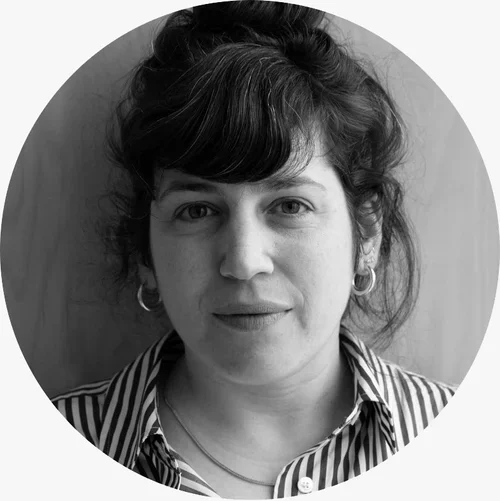
Yael Rasner is a photographer, Director of Brand, and content strategist at Pic-Time, an innovative platform for photo delivery and online galleries. She leads ambassador strategy, video production, and creative campaigns that strengthen brand presence across social platforms.
ABOUT PIC-TIME
Pic-Time is the photography industry’s leading online gallery software designed to empower photographers to: present stunning client galleries, boost sales and market with efficiency. With an intuitive suite of purpose-built tools, Pic-Time helps elevate your photography to a successful business.
Try it free - no credit card required - for 30 days.
YOU MIGHT ALSO LIKE: